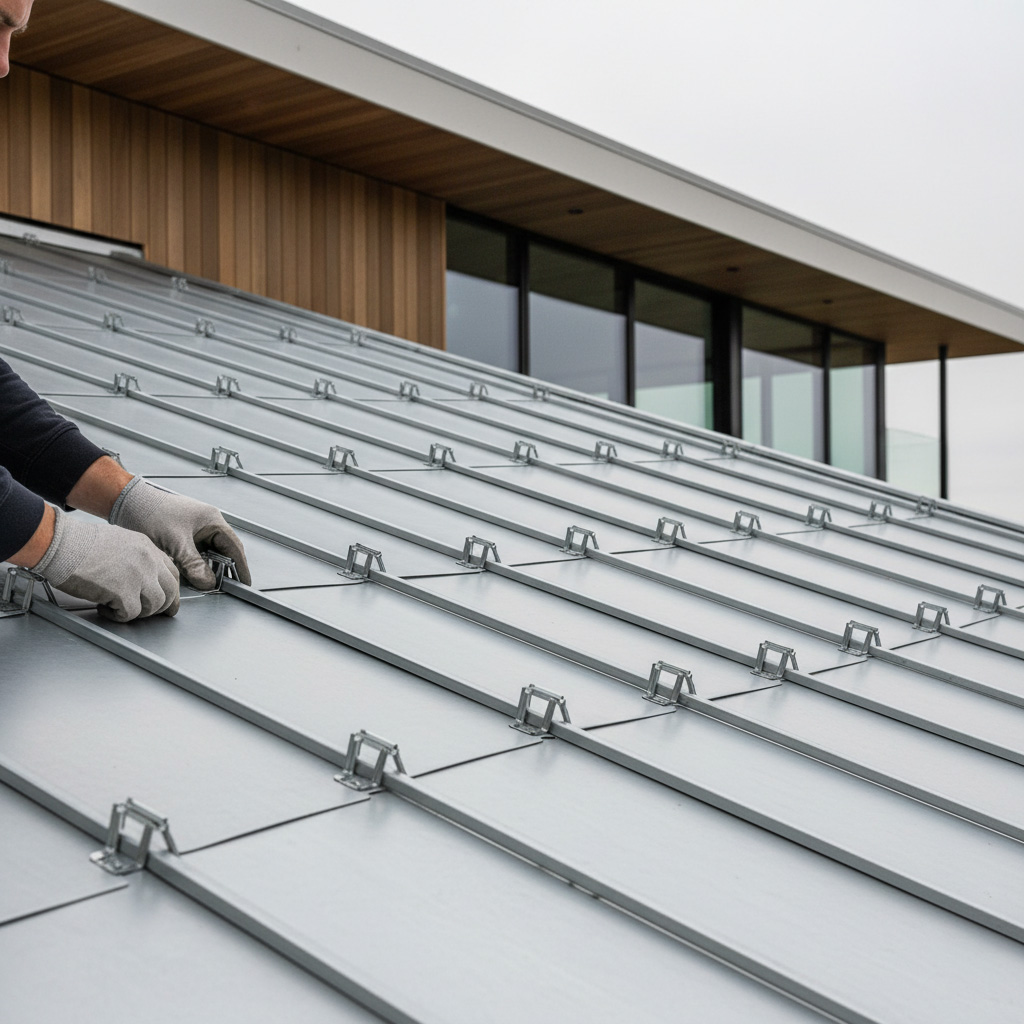


⚡ TL;DR: This guide shares seven roof inspection tips for San Jose homes, covering tools, shingles, leaks, flashing, and gutters to address local weather and seismic risks.
📋 What You’ll Learn
In this guide on roof inspections for San Jose homes, you’ll master practical tips to spot damage from UV, rain, earthquakes, and more, safeguarding your roof’s lifespan and your family’s safety.
- Gear up safely with essential tools for inspecting San Jose roofs, ensuring you avoid slips on steep pitches while checking for common Bay Area wear and tear effectively.
- Spot shingle damage from UV and heat by identifying curling, cracking, or granule loss that shortens roof life in the intense local sun exposure every homeowner should watch.
- Detect leak signs from winter rains through water stains, mold, or soft spots caused by fog and downpours, preventing costly interior damage before it escalates.
- Inspect flashing and vents for quake stress to catch loosened seals or cracks from seismic activity, a key step for maintaining structural integrity in earthquake-prone San Jose.
- Clear gutters and optimize drainage to avoid overflows that erode roofs during heavy rains, plus learn from real local case studies on hidden issues.
📖 Reading time: 7 min
✍️ Author expertise: San Jose roofing pro with 20+ years of field inspections on Bay Area homes.
Bay Area sun bakes your shingles all summer, then winter rains hammer them without mercy. Add in the occasional earthquake shake, and your San Jose roof's fighting for its life every day.
Skip a proper check, and that tiny leak turns into a nightmare of mold, rot, and sky-high repair bills. Homeowners who catch problems early dodge disasters and keep their families safe.
Ready to arm yourself with the know-how? Dive into these 7 roof inspection tips tailored for San Jose homes that could save you a fortune.

1. Gear Up Safely: Essential Tools for San Jose Roof Checks
Your roof isn't a playground. One slip on those slick Bay Area tiles, and you're looking at a hospital bill bigger than your next roof replacement.
Start with the basics. Grab a sturdy extension ladder rated for your weight plus gear. Add non-slip boots and a harness hooked to a secure anchor point.
Tools That Spot Trouble Fast
- Binoculars: Scan from the ground first. No need to climb every time.
- Flashlight or headlamp: Peek into dark attic spots for hidden rot.
- Moisture meter: Buzzes when water's lurking under shingles.
- Gloves and knee pads: Keep hands clean, knees happy on rough surfaces.
- Digital camera: Snap proof for your records or the pros.
Skip the cheap stuff. Invest in gear that lasts through our foggy mornings and scorching afternoons. Safety gear turns a risky chore into a smart routine.
Examine Shingles for Bay Area UV and Heat Damage
San Jose summers hit roofs hard. That relentless Bay Area sun beats down, cracking shingles and stripping away protective granules. Heat makes them brittle, setting the stage for leaks when rains finally roll in.
Spot the trouble early. Granule loss shows up as bald patches where shingles look smooth and shiny. Curling edges or buckling mean your roof's crying for help.
Quick Shingle Check List
- Grab binoculars for a ground-level scan. No ladder risks needed yet.
- Look for fading colors or cracks like dried mud.
- Feel a few shingles if safe. Brittle ones snap easy.
- Check hips and ridges first. They take the worst pounding.
Ignore this, and UV damage spreads fast. A full replacement could run you $15,000 plus. Catch it now, and a simple patch job keeps cash in your pocket.
Hunt for Leak Signs from Winter Rains and Fog
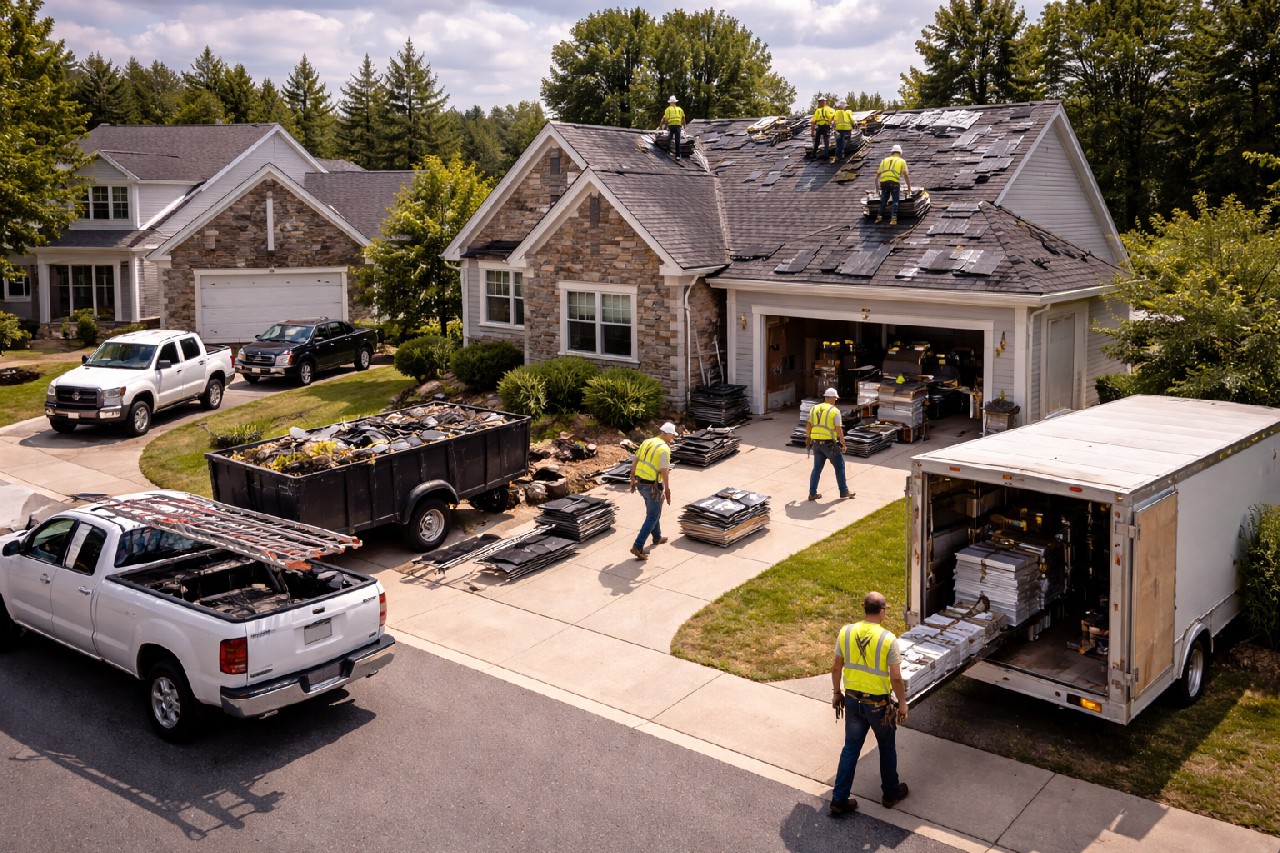
San Jose winters hit hard with pounding rains and that thick coastal fog. Water sneaks in through tiny cracks, turning your attic into a swamp before you notice. Spot these early, and you stop the rot cold.
Red Flags in Your Attic and Ceilings
Climb up there with a flashlight. Look for dark water stains on rafters or insulation – that's your first clue.
- Discolored or peeling paint on ceiling joists screams past leaks.
- Soft, mushy spots in wood? Major red alert – mold loves those.
- Drooping insulation means moisture's winning the fight.
Don't forget the smell. Musty odors mean hidden water damage lurking.
Outside, check under shingles for granule loss from rain battering. Fog keeps everything damp, speeding up shingle breakdown. Probe edges with a putty knife – if it sinks in easy, replace time.
4. Inspect Flashing and Vents for Earthquake Stress
San Jose sits right on the San Andreas Fault. Those tremors we feel? They twist and shift your roof's flashing and vents, creating sneaky gaps where water sneaks in.
Grab binoculars or climb up safely. Hunt for cracks in the sealant around chimney flashing or loose metal strips pulling away from edges.
Red Flags on Flashing
- Curling or lifted edges from quake vibrations.
- Rust spots signaling weakened seals.
- Gaps bigger than a fingernail's width.
Vents take a beating too. Check plastic or metal ones for crushed sides or shifted positions. A quick fix here stops attic moisture buildup that rots your beams fast.
Found damage? Snap photos and call pros. DIY patches rarely hold up to our next shaker.
5. Clear Gutters and Check Drainage Systems
San Jose's winter downpours turn clogged gutters into roof killers. Leaves from those big oaks and eucalyptus trees block everything fast. Water backs up, seeps under shingles, and rots your roof from the edges in.
Clear Them Out Step by Step
- Start on the ground: Use binoculars to spot major blockages from below. No need to climb yet.
- Ladder up safely: Sturdy ladder, spotter if possible, gloves on. Scoop debris into a bucket.
- Flush it: Run a garden hose through each section. Watch for slow drains or overflows.
Don't stop at gutters. Check downspouts for dents or loose joints, especially after quakes. Poor drainage means puddles that hammer your fascia boards. Fix it now, or call us before the next storm soaks your attic.
San Jose Case Study: How We Caught Hidden Damage Before the Big Rain
Picture this: Maria in Willow Glen called us last fall. Her roof looked fine from the street. But she smartly scheduled an inspection after noticing a small water spot inside.
We climbed up and spotted the culprit right away. Cracked shingles from summer heat had let fog moisture seep in. Underneath? Soft spots in the decking that screamed future collapse.
Key Finds That Saved Her Roof:
- Loose flashing around the chimney, stressed from minor quakes.
- Clogged vents pulling in Bay Area dampness.
- Granule loss on south-facing slopes from relentless UV rays.
Two weeks later, the skies opened up with pounding rain. Maria's roof held strong after our quick fixes. She dodged a $15K replacement and slept easy that stormy night.
Final Thoughts: Schedule Your Roof Inspection Now.
Your San Jose roof takes a beating from sun, rain, and quakes. Spotting issues early stops small cracks from becoming cash-draining catastrophes. Don't gamble with your home.
Grab these tips and do a quick visual check yourself. But for the full picture, call in pros who climb up there daily.
We've saved countless Bay Area homes from disaster. Book your roof inspection today - before the next storm hits. Sleep easy knowing your family's covered.
People Also Ask
How often should homeowners in San Jose inspect their roofs?
In San Jose's climate with intense UV exposure, winter rains, and occasional earthquakes, inspect your roof at least twice a year—spring and fall. After major storms or seismic events, check immediately for damage. Professional inspections annually ensure hidden issues are caught early, extending your roof's life.
What are common signs of roof damage from Bay Area weather?
Look for curled, cracked, or missing shingles from UV and heat damage, along with dark streaks or granules in gutters from winter rains and fog. Leaks appear as water stains on ceilings or mold around vents. Earthquake stress often loosens flashing, causing gaps visible during close inspections.
Can I perform a DIY roof inspection in San Jose, or do I need a pro?
DIY checks using binoculars, a ladder, and flashlight can spot obvious issues like damaged shingles or clogged gutters safely from the ground. However, for thorough assessments of flashing, vents, and hidden leaks—especially post-earthquake—hire a licensed San Jose roofer. Professionals use drones and specialized tools to avoid risks and ensure accuracy.
How do I check roof flashing and vents after an earthquake in San Jose?
Examine flashing around chimneys, vents, and skylights for cracks, bends, or separations caused by seismic shifts common in the Bay Area. Ensure vents are securely sealed without rust or debris buildup. If gaps exceed 1/8 inch, seal promptly or call experts to prevent leaks during rainy seasons.
What should I do if I find roof damage during a San Jose home inspection?
Document damage with photos and avoid temporary fixes that could worsen issues. Clear debris from gutters immediately to improve drainage. Contact a local San Jose roofing company for a full evaluation and repairs to protect your home before the next big rain or heatwave.

San Jose Roofing offers expert roofing services with over 20 years of experience serving the San Jose area. The team specializes in repairs, replacements, and installations designed for local climate conditions. Committed to the community, San Jose Roofing provides dependable craftsmanship for Bay Area homeowners and businesses.
Need Roofing?
We deliver fast roof repairs and replacements in San Jose, CA plus nearby areas (95110, 95112, 95123, 95125, 95129), restoring weather-tight protection swiftly.
Get Roof Quote