


⚡ TL;DR: Learn practical roof maintenance strategies for San Jose homes, from annual inspections and seasonal tune-ups to DIY checks, to extend your roof's life by years.
📋 What You’ll Learn
In this San Jose roof maintenance guide, you’ll discover how to tackle local weather challenges, master inspections, and use proven techniques to extend your roof’s lifespan by years.
- Identify San Jose’s top roof threats like intense sun, winter rains, and wind damage that accelerate wear and shorten lifespan without proper vigilance.
- Master your annual inspection routine with a step-by-step blueprint to spot leaks, cracks, and debris early, preventing costly repairs down the line.
- Perform seasonal tune-ups for resilience focusing on spring cleaning and fall sealing to storm-proof your roof against Bay Area extremes.
- Adopt everyday DIY maintenance habits to catch issues like loose shingles or clogged gutters before they escalate into major problems.
- Unlock pro tips for lasting materials including the best techniques and products tailored for San Jose homes to maximize durability.
📖 Reading time: 7 min
✍️ Author expertise: San Jose roofing pro with 18 years of hands-on maintenance experience in local homes.
Ever wake up to the sound of rain pounding your San Jose roof, wondering how much longer it'll hold up against those brutal Bay Area storms?
Most homeowners here ignore the early warning signs until leaks turn into disasters, slashing their roof's life by a decade or more.
But what if a few smart maintenance moves could add years to your investment and save you tens of thousands in replacements?
Let's dive into the proven tactics that keep San Jose roofs tough and lasting.
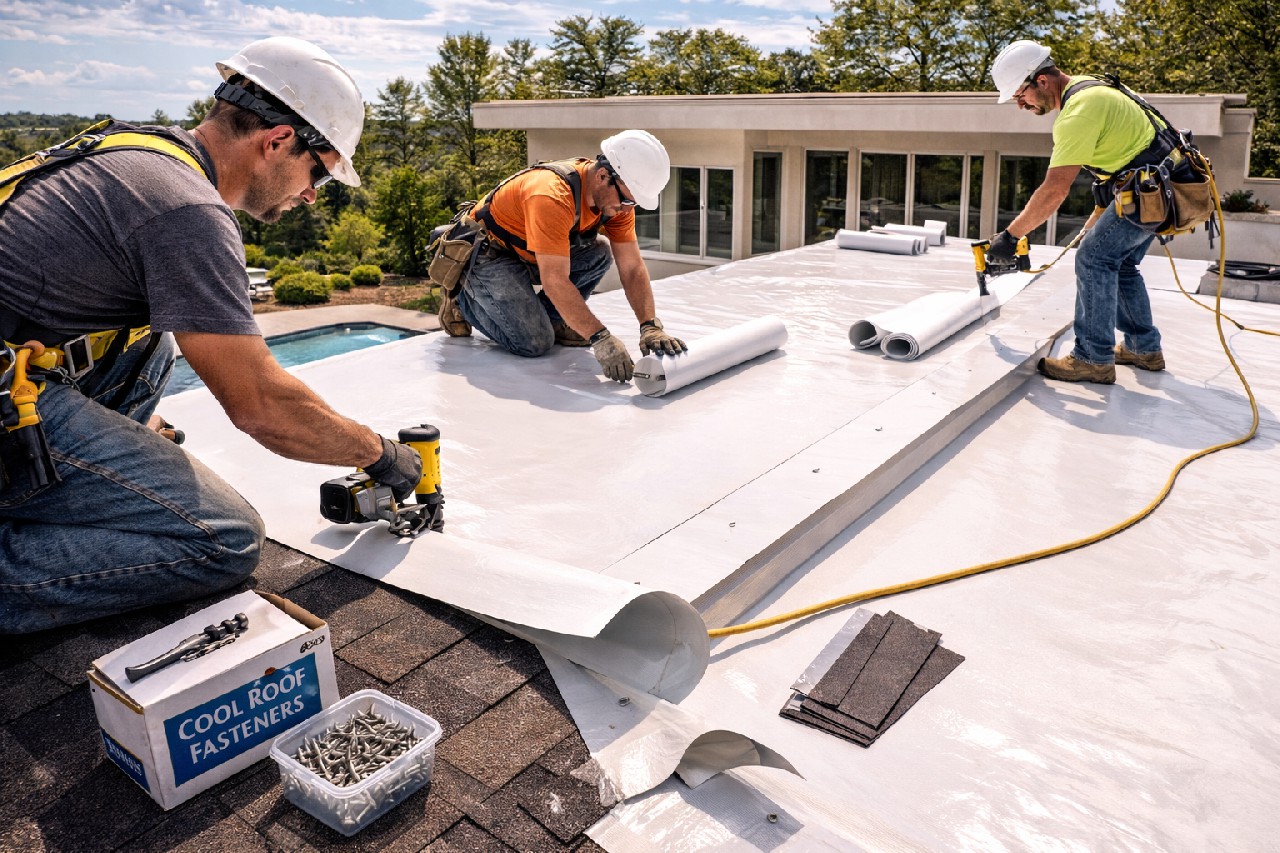
San Jose's Roof-Killing Culprits: Weather and Wear
San Jose roofs face a brutal lineup of local threats. Think heavy winter rains that pool on flat sections. Add scorching summer heat cracking shingles.
Wind gusts from the Santa Cruz Mountains rip at edges. Fog and humidity breed moss that eats away at tiles.
Top Weather Wreckers Here:
- Monsoon-like downpours: Overload gutters, force water under seals.
- UV bomb from clear skies: Fades and brittles asphalt shingles fast.
- Freeze-thaw cycles in the hills: Expand cracks into full leaks.
Wear piles on quietly. Debris from oaks clogs valleys. Foot traffic from attic storage grinds granules loose.
Age hits hardest after 15 years. Untreated nails pop. Valleys fail first.
Your Annual Roof Inspection Blueprint
Picture this: one afternoon a year, you climb up (or hire us to) and spot a loose shingle before it rips off in the next gust. That simple check catches 90% of killers early. Skip it, and you're rolling the dice on your home's biggest shield.
Grab Your Ladder and Checklist
Start from the ground. Scan for curled or missing shingles—they're screaming for attention after our foggy winters.
- Check flashing around chimneys and vents. Cracks here mean water invites.
- Peek at gutters. Clogged ones overflow, rotting your eaves fast.
- Feel for soft spots underfoot. That's rot begging for a full tear-off.
Don't stop at visuals. Tap tiles or shingles—hollow sounds spell trouble underneath.
Photograph everything. Those pics track changes year to year, proving when small fixes save big bucks.
Red Flags That Demand a Pro Call
Granules in your gutters? Your asphalt armor's wearing thin.
Discolored patches or moss buildup signal poor ventilation. In San Jose's mild but damp climate, that's a fast track to mold city.

Spring and Fall Tune-Ups for Storm-Proofing
Bay Area winters hit hard with relentless rain. Spring tune-ups clear the mess left behind. Get up there early to spot hidden damage before summer heat cracks things open.
Spring Checklist: Shake Off Winter's Grip
- Clear gutters and downspouts of leaves, twigs, and pine needles. Clogged ones overflow and rot your fascia boards fast.
- Inspect shingles for cracks or missing pieces from wind gusts. Replace any loose ones right away.
- Trim overhanging branches rubbing against the roof. They scrape off granules and invite leaks.
Fall prep turns your roof into a fortress against pounding storms. Focus on seals and flashings now. Skip this, and you're begging for water intrusion come December.
Fall Power Moves: Lock It Down
- Reseal flashing around chimneys and vents with high-quality caulk. Water sneaks in here first.
- Check for soft spots or moss buildup. Scrape it off and apply a treatment to kill regrowth.
- Test your attic ventilation. Blocked vents trap moisture and breed mold disasters.
These quick hits take a weekend. But they slash repair bills by half next season.
Everyday DIY Maintenance to Catch Issues Early
You don't need a ladder or fancy tools to spot trouble brewing. Grab binoculars or just use your eyes from the ground level. A five-minute walk-around once a week catches 80% of problems before they explode.
Spot the Sneaky Signs Fast
- Curling shingles? Wind damage from those gusty Santa Ana days.
- Granules in your gutters? Your asphalt roof shedding like a snake.
- Dark streaks? Algae loving our humid spells, eating away at the surface.
Mark these spots with chalk or tape. Snap photos for your records. It'll make pros' jobs easier later.
Clear debris weekly, especially after wind storms. Rake leaves off the roof edges if safe, or use a leaf blower from below. Clogged gutters are leak factories, so scoop 'em out every two weeks during rainy season.
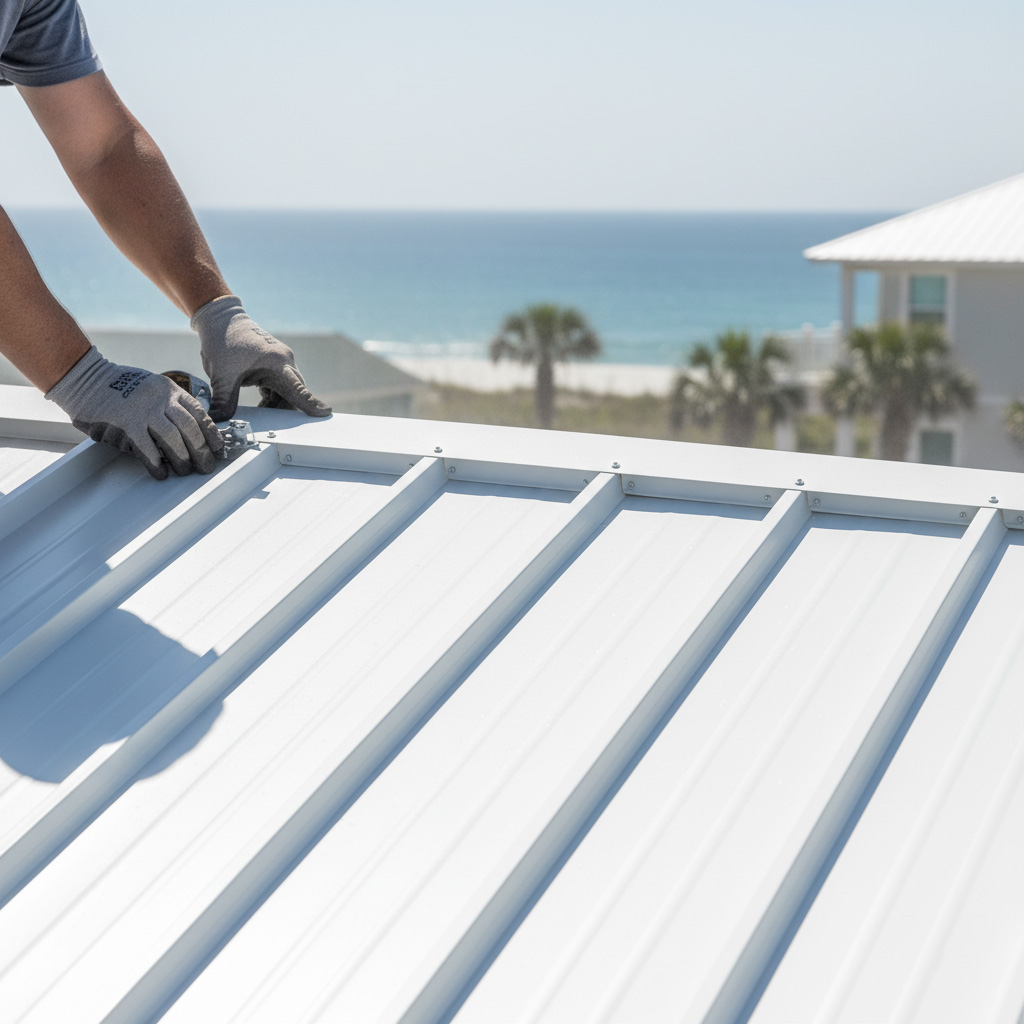
Pro Tips: Materials and Techniques That Last
San Jose's scorching summers and foggy winters demand roofs built to fight back. Skip cheap asphalt shingles that crack under heat. Go for clay tiles or metal roofing—they shrug off UV rays and last 50+ years with minimal upkeep.
Match Materials to Your Neighborhood
- Clay tiles shine in Willow Glen's tile-roof vibe, reflecting heat like a champ.
- Composite shakes work wonders in Almaden Valley, mimicking wood without the rot.
- Standing seam metal crushes it in Evergreen, handling wind gusts up to 100 mph.
Pick wrong, and you're replacing in 10 years. Nail this, and your roof outlives the mortgage.
Ventilation isn't optional—it's your secret weapon. Pros install ridge vents and baffles to push hot air out fast, cutting energy bills by 20%.
Seal flashings yearly with high-grade butyl tape. It stops sneaky leaks before they start wars in your attic.
Case Study: Saving a San Jose Home from Premature Replacement
Meet Maria, a busy San Jose mom whose 15-year-old asphalt shingle roof was leaking like a sieve after last winter's relentless storms. She spotted water stains on her ceiling but figured it was just "normal wear." One call to our team changed everything.
The Shocking Inspection Findings
- Cracked shingles from wind gusts up to 50 mph.
- Clogged gutters dumping water straight onto the fascia.
- Early moss growth eating away at the underlayment.
Without action, she'd face a full tear-off costing $25,000. Instead, we cleared debris, sealed cracks, and reinforced weak spots. Total bill? Under $2,500.
Six months later, Maria's roof sailed through another downpour without a drip. She dodged replacement for at least five more years, pocketing serious cash. Proof that spotting trouble early pays off big in the Bay Area.
Final Thoughts
Stick to these maintenance habits, and your San Jose roof could outlast the neighbors' by a solid 10 years or more. Skip them? You're rolling the dice on costly surprises. Simple as that.
Grab your calendar right now. Book that annual inspection before the next storm hits. It'll pay for itself tenfold.
- Spot issues early with DIY checks.
- Storm-proof twice a year.
- Call pros for the heavy lifting.
Need more details? Check our Roof Maintenance page for tailored advice straight from San Jose pros.
People Also Ask
How often should I inspect my roof in San Jose?
Schedule professional roof inspections at least twice a year—in spring and fall—to catch issues early from local weather patterns like dry summers and wet winters. Annual DIY checks after major storms can also help spot damage promptly. Regular maintenance like this can extend your roof's life by 5-10 years, saving thousands on replacements.
What are the biggest threats to roofs in San Jose?
San Jose's Mediterranean climate brings intense sun exposure causing shingle cracking, heavy winter rains leading to leaks, and wind gusts that loosen materials. Tree debris and poor drainage exacerbate moss growth and water pooling. Proactive maintenance counters these culprits effectively, preventing premature wear.
Can DIY maintenance really extend my roof's lifespan?
Yes, simple DIY tasks like clearing gutters quarterly and trimming overhanging branches reduce debris buildup and water damage risks specific to San Jose homes. Gently removing moss with a soft brush and sealing minor cracks also helps. However, combine these with pro inspections for maximum longevity—up to 20 extra years for quality roofs.
When should I call a professional roofer in San Jose?
Call immediately if you notice missing shingles, sagging areas, or interior leaks, as San Jose's variable weather can worsen these quickly. After storms or if DIY reveals extensive damage, pros use specialized tools for safe repairs. Local experts know regional materials that withstand Bay Area conditions best.
How much can regular roof maintenance save me in San Jose?
Regular maintenance costs $200-500 annually but can prevent $10,000+ premature replacements by addressing wear early. In San Jose, it mitigates climate-specific issues like UV degradation and El Niño rains. Homeowners often recoup savings within 2-3 years through extended roof life and lower energy bills from better insulation.

San Jose Roofing specializes in residential and commercial roofing services throughout the San Jose area. With years of hands-on experience, the team addresses local weather challenges like heavy rains and seismic activity. Committed to the San Jose community, they deliver durable solutions tailored to area homes and businesses.
Need Roofing?
We deliver fast roof repairs and replacements in San Jose, CA plus nearby areas (95110, 95112, 95123, 95125, 95129), restoring weather-tight protection swiftly.
Get Roof Quote